
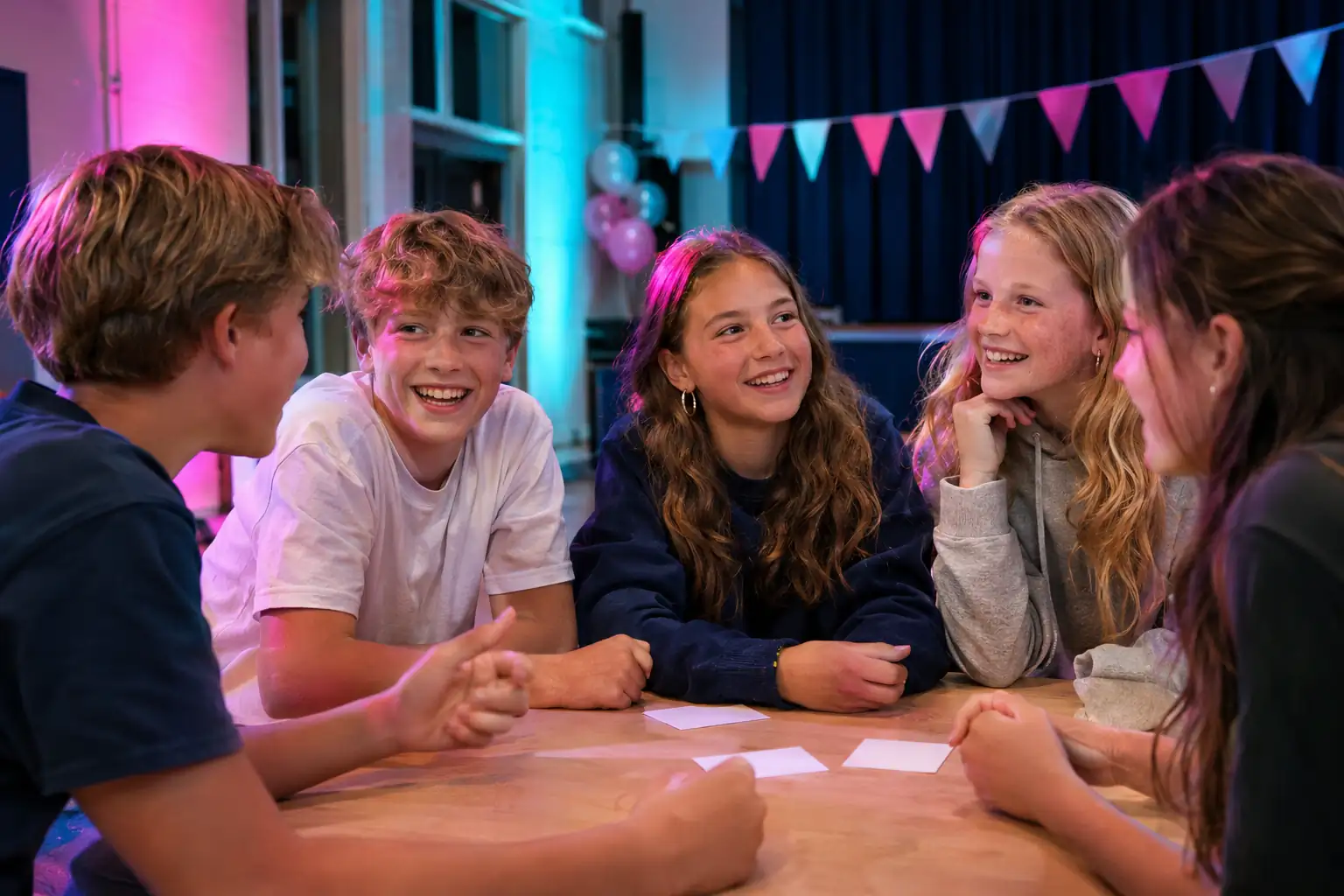
A short speech at the leavers’ party: personal, then dancing
A short farewell speech does not need to retell the whole school year. Choose one shared memory, thank the class and hand the celebration back to the children.
Reviews for Pretwin Kidsdisco
Google score for Pretwin Kidsdisco. These reviews belong to that listing, not to Groep8DJ.nl.
Start with one familiar moment
Think of something the class made, discovered or experienced together. It can be small: an unexpected solution during a task or a moment when children helped one another. You do not need to list every trip and achievement.
Choose a memory that needs little explanation. Check with the teacher that it will be familiar to the group. Avoid unexpectedly singling out a pupil, especially in stories about marks, appearance or difficult moments. A joke should not come at a child’s expense.
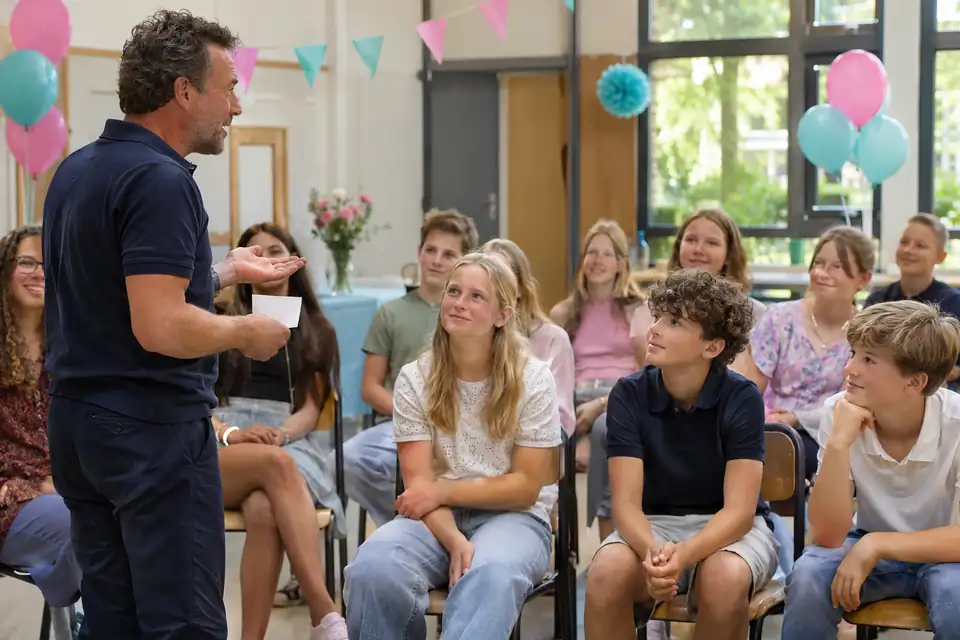
Use three short parts
Start with three sentences and develop only what matters:
- Memory: ‘When you worked together on [moment], I noticed [specific detail].’
- Thanks: ‘Thank you for [something you actually observed].’
- Looking ahead: ‘I wish you [simple wish] as you take your next step.’
Replace the placeholders with your own words. This is an outline, not a script you must recite. A specific memory says more than a long string of words such as fantastic, special and unforgettable.
Do not tell the children how they should feel. Some may be sad; others may be excited about their next school. Both belong at a farewell.
Read aloud and remove repetition
Agree a time limit beforehand. Two minutes might suit your plans, but it is an example rather than a fixed programme duration. Read aloud with a timer: speaking is different from silent reading.
If it runs long, remove a second anecdote, repeated thanks and explanations meant only for adults. Do not rush to fit everything in. Pause briefly after the final sentence, then finish.
Coordinate several speakers
If teachers, parents and children all want to contribute, collect those wishes in advance. Choose one moment and agree what each contribution adds. Three short speeches repeating the same story still create a long interruption.
Keep pupil contributions voluntary. Do not unexpectedly call someone forward. A short shared message can be prepared without every child speaking individually.
Agree the transition
Give the speech one clear place in the running order. Discuss who introduces it, whether a microphone is needed and how the end is signalled. Do not assume technical support that has not been agreed. Check the practical arrangements.
Avoid compulsory hugs, tears or applause for each pupil. Thank the class, explain what comes next and let the music return. The speech remains a warm moment within their celebration.
A short speech to personalise
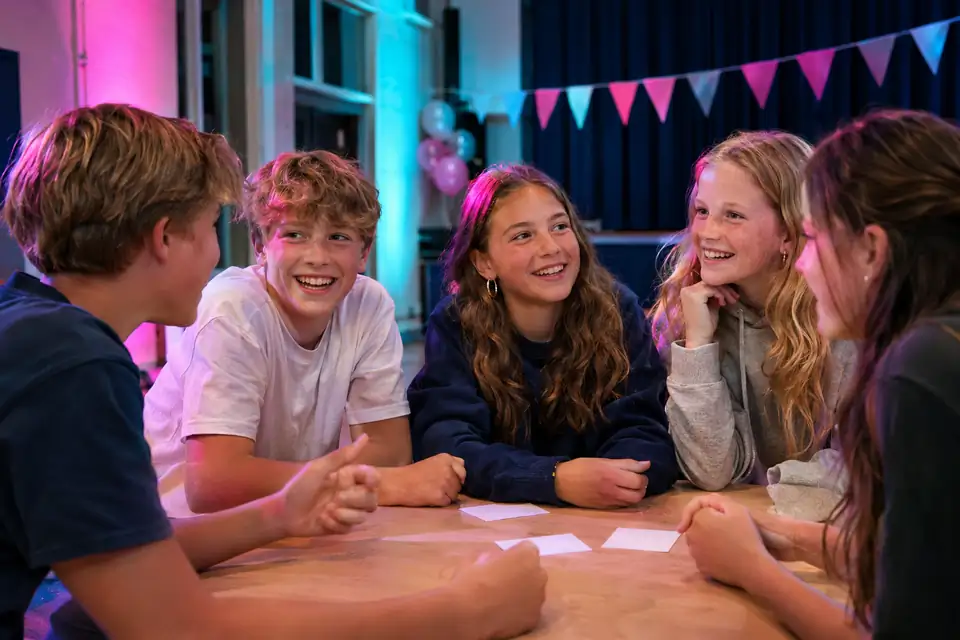
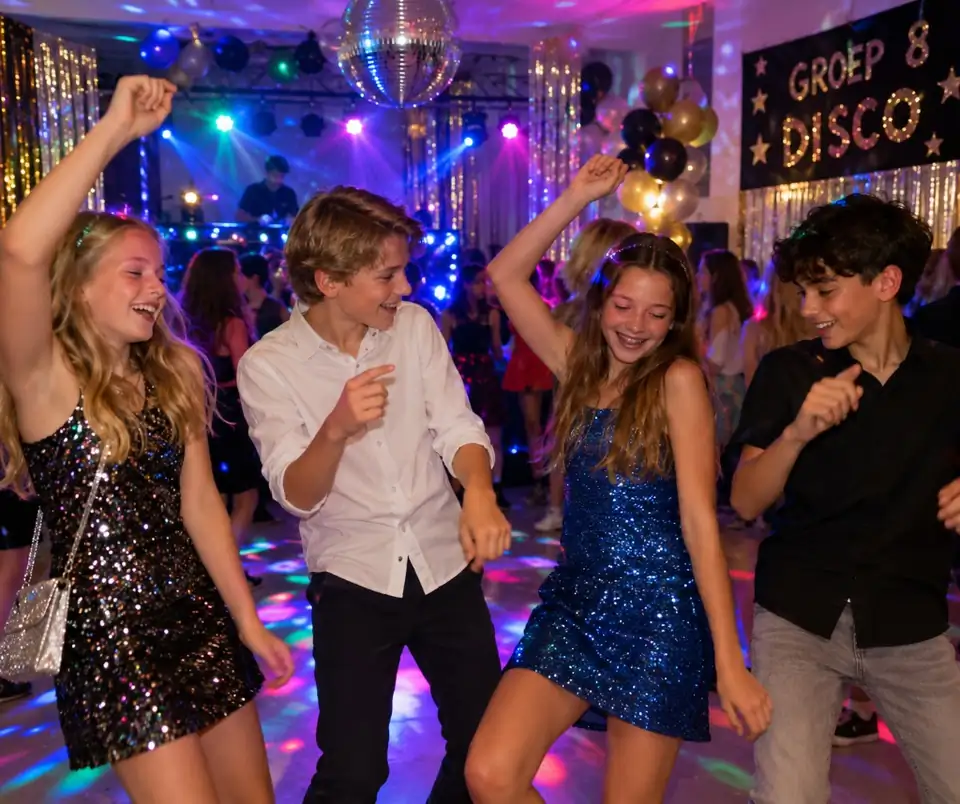
“Dear class, during … we saw you … together. We will remember that moment. Thank you to … for … . Soon a new chapter begins for each of you. For now, we are together once more: this party is yours.”
Add one real, appropriate memory. Read it aloud, ask a teacher to review it and agree the transition with the DJ.
Frequently asked questions
What belongs in a short farewell speech?
One shared memory, sincere thanks and a simple wish for the next step provide a useful structure.
How long should it be?
Agree the length with the organisers and practise aloud. Two minutes is one possible example, not a fixed rule.
Should every child be named?
No. A shared memory can include the class without a lengthy list of names or personal stories.